
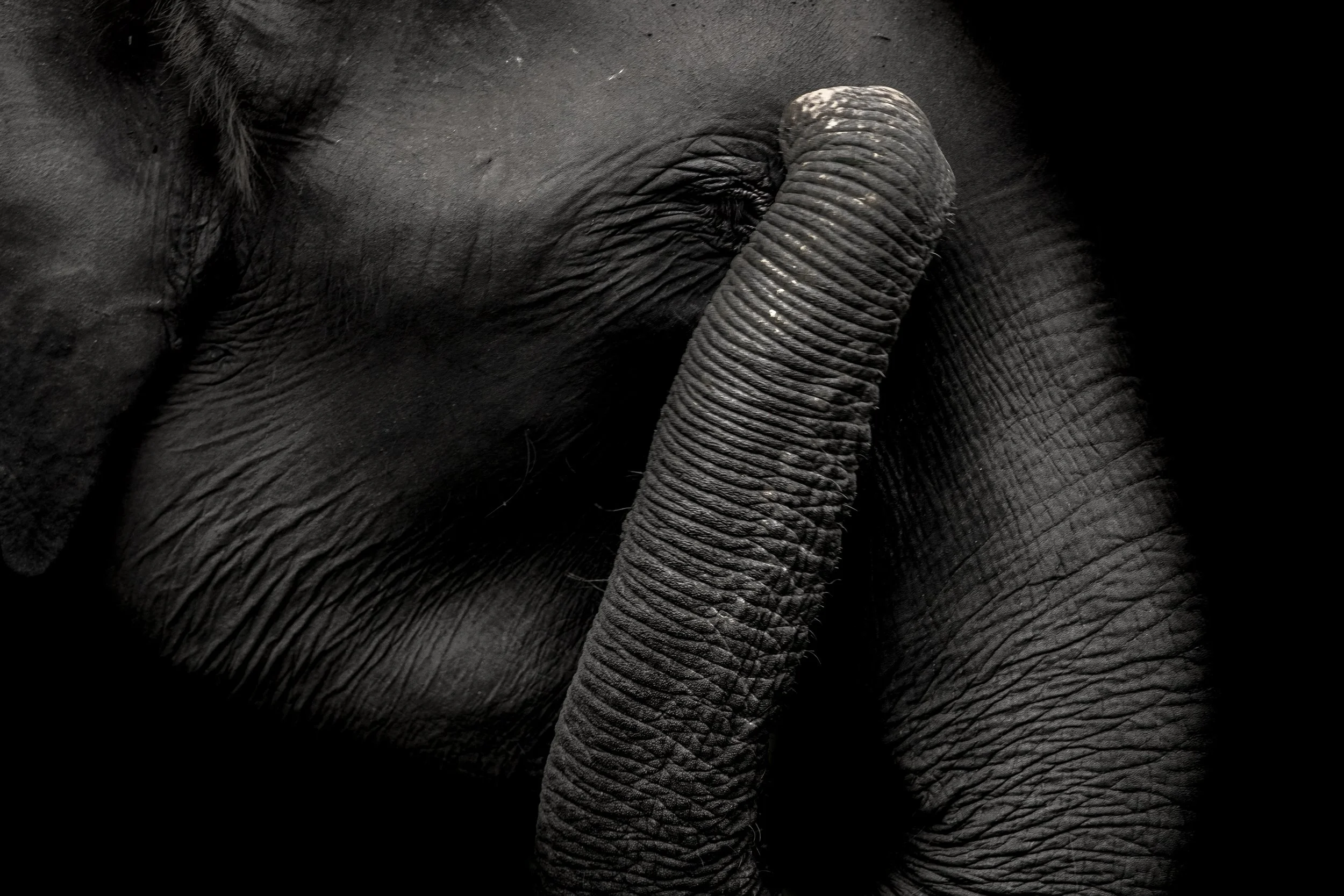
PhotoBlog
This site also documents my return to photography, one image a day, one story at a time.
Screening at the International Science Film Festival 2016
My water cell video, A Future Without Water, is being screened at the International Science Film Festival , part of the India International Science Festival being held at the National Physical Laboratory, New Delhi from the 8th to 11th December 2016.

News - Gators "Film" Their Day
Ok, i'm using the term "news" a little loose here, as this was original posted on National Geographic site in January 2014, nearly two years ago, but I've only just come across it and I think it is awesome! The place a camera on an alligator and see what it does... :) Check out the video! :)

News - How camera sensors works
For those of you who have not noticed that I am a geek... this should clinch it for you. The combination of science and photography in an informative video! Awesome! The guys at Filmmaker IQ made this great video explaining how camera sensors work... lots of science in it, but it is very well explained and easily digested. So I suggest you check them out, subscribe to their channel and all the rest of it too! :) Thanks, and enjoy!
News - Spotted in the news
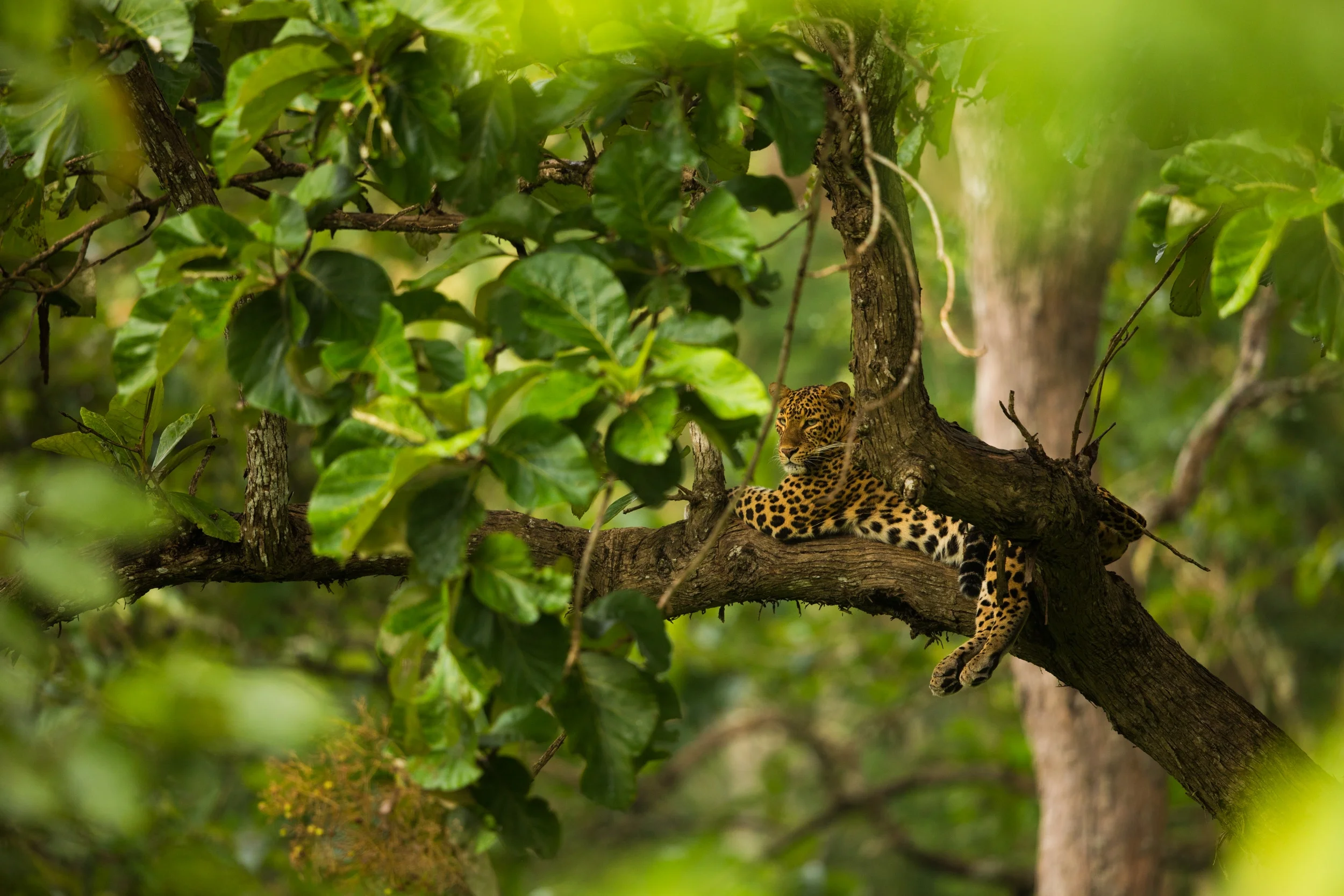
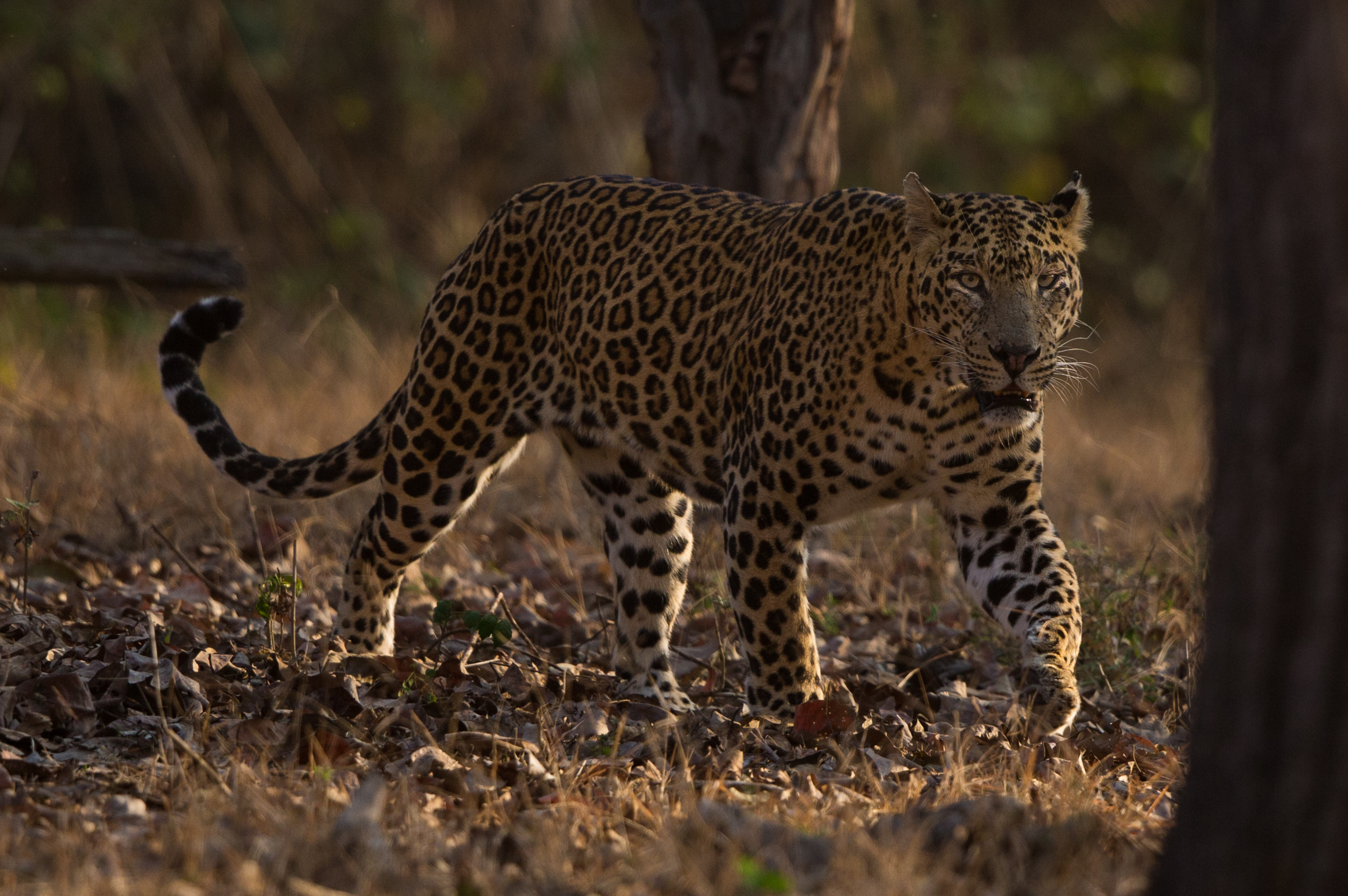
A recent paper in PLoS ONE by Vidya Athreya et al., used an innovative method to examine Leopard populations in the Indian state of Karnataka. They searched local media sources for any mentioned leopard-human incidents and applied modelling methods to draw conclusions. Their data showed that "leopards occupied around 84,000 km2 or 47% of the State’s geographic area, outside designated national parks and wildlife sanctuaries".
Interview - Shreejata Gupta, NIAS
A key component of wildlife photography is to know you subject. Knowing more about your subject will allow you to preempt situations and shots rather than reactively taking them.
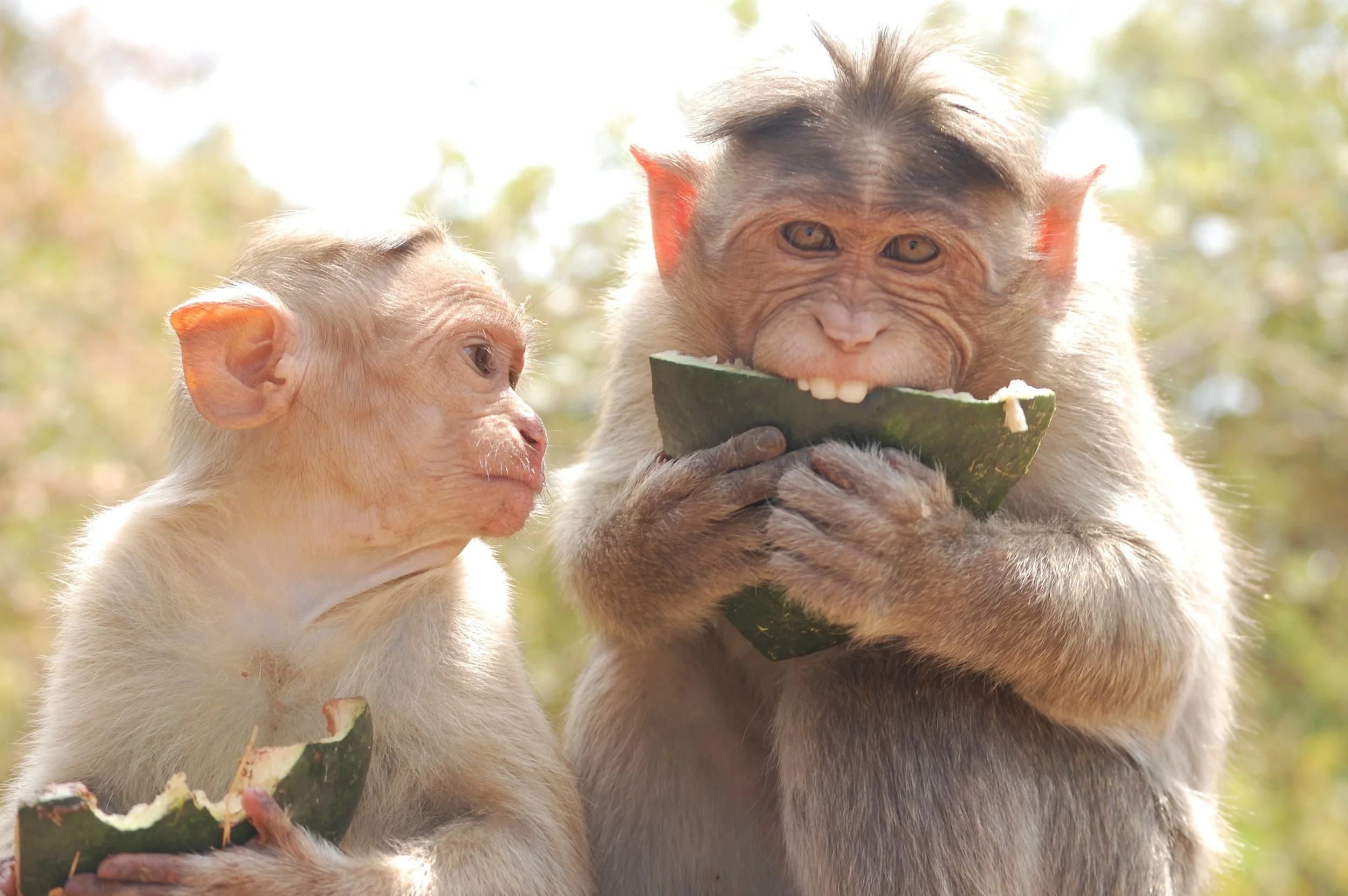
Shreejata Gupta, an expert on monkey'ing around shares her research expertise with us.
Interview - Vicki Fishlock, ATE
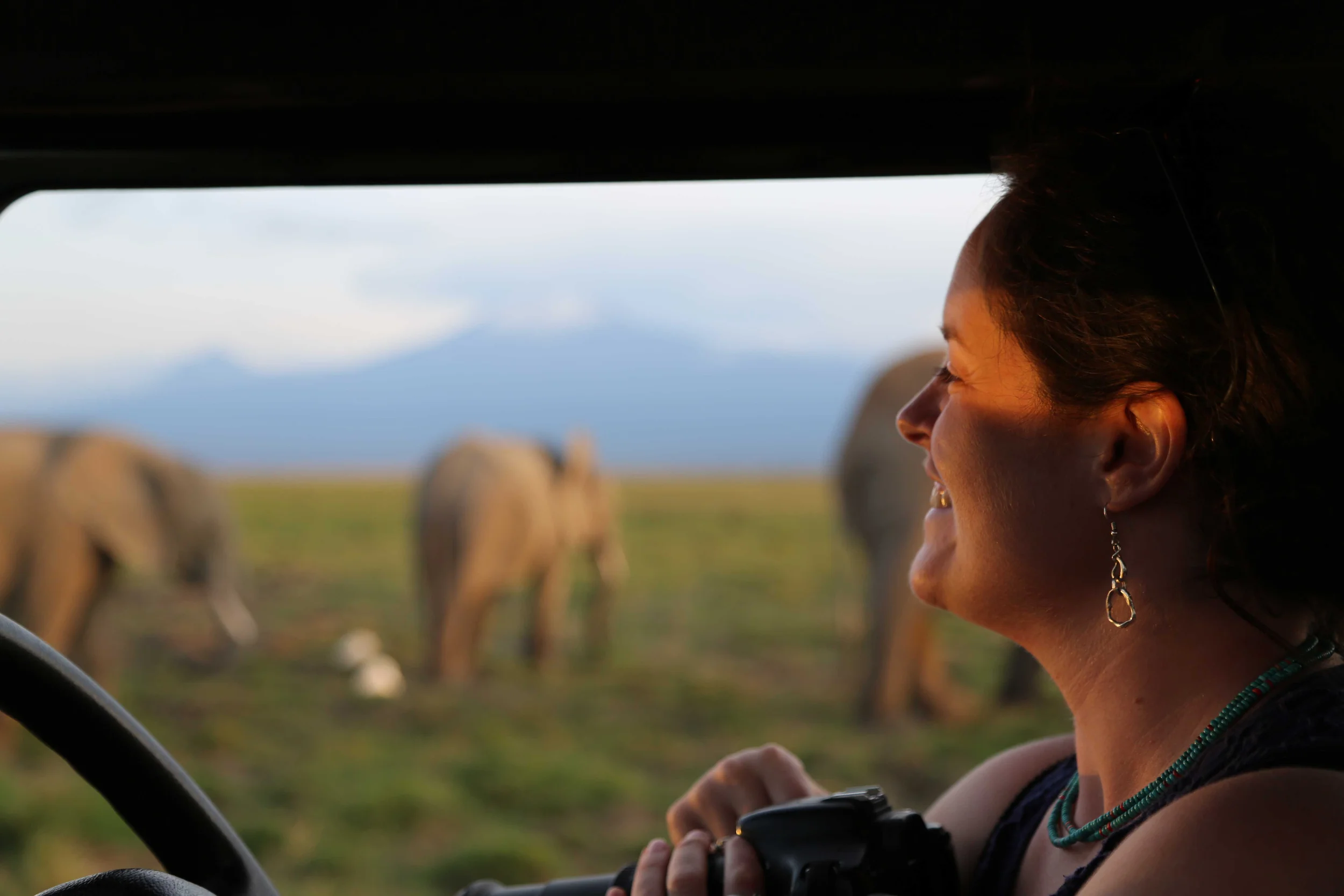
Knowing your subject is pivotal to meaningful wildlife photography. It makes the differences between a pretty picture and significant image. So, who better to ask about a subject than an expert.
Here I interview Dr Vicki Fishlock of the Amboseli Trust for Elephants (ATE) about her research and love for the big-eared, long nosed soap opera stars of her life! :)

News - Venomous frogs?
We have long known that some frogs are poisonous, excreting toxins from their skin to deter preditors from snacking on them. However, two are now considered venomous!
Jared et al. (2015) describe two Brazilian frogs, Greening's frog (Corythomantis greeningi) and Bruno's casque-headed frog (Aparasphenodon brunoi), that don't only produce toxins, but also have spikes...
News - Things get worse for the French wolf
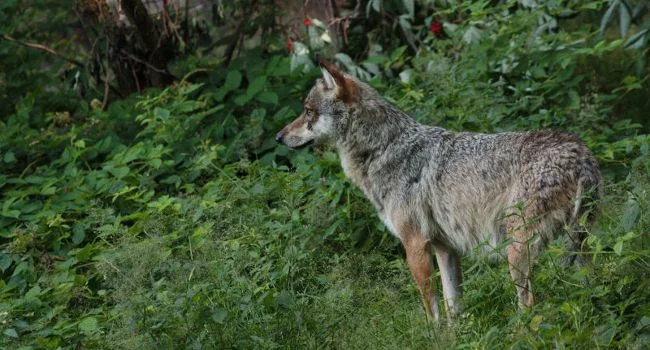
Early this month I posted about a decree by the French ecology and agriculture ministry addressing the concerns of farmers and resulted in relaxed hunting laws for wolfs and increasing the number that could be killed this coming season. The news is not getting any better, with the french government landing on the side of livestocks. [LPO reports]
News - Crowd Sourcing Science
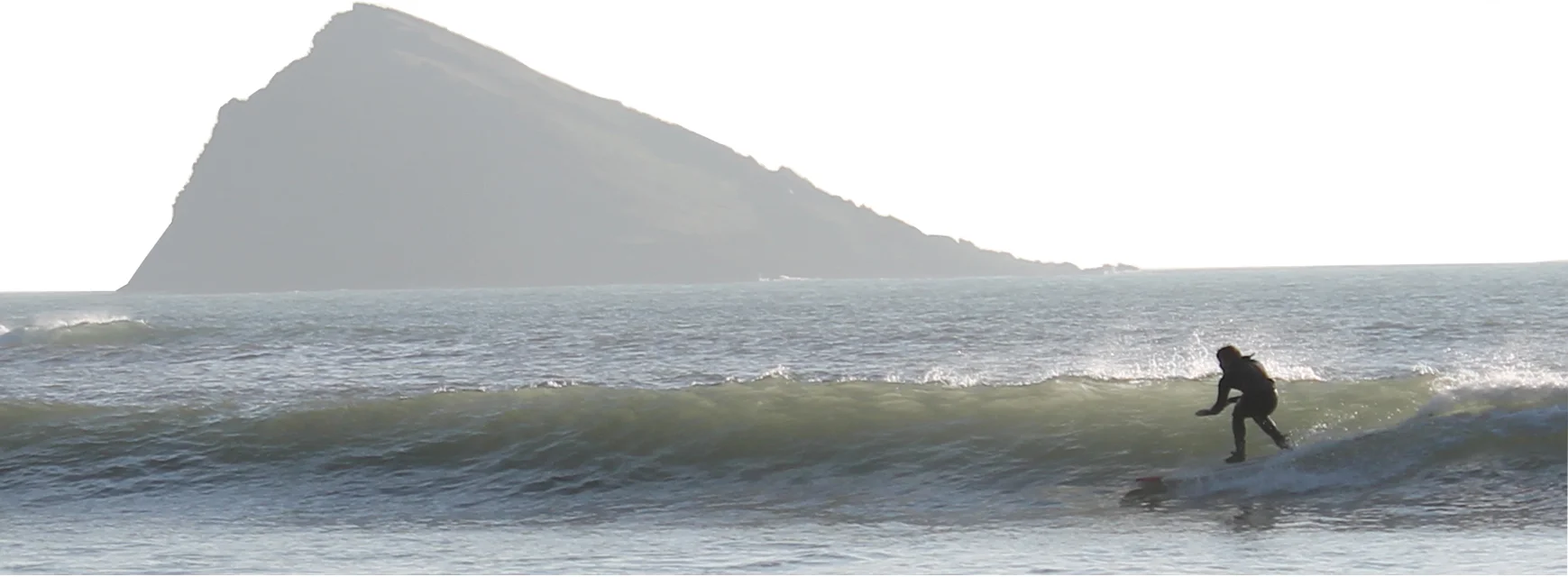
A recent paper by Brewin et al. 2015 in PLOS looks at "the Potential of Surfers to Monitor Environmental Indicators in the Coastal Zone". In short, they demonstrated that by using the abundant surfer population in the south west United Kingdom (UK), they could generate ~40 million data points per year, overcoming the current inadequate sampling methods. This data would be invaluable for costal monitoring and management.
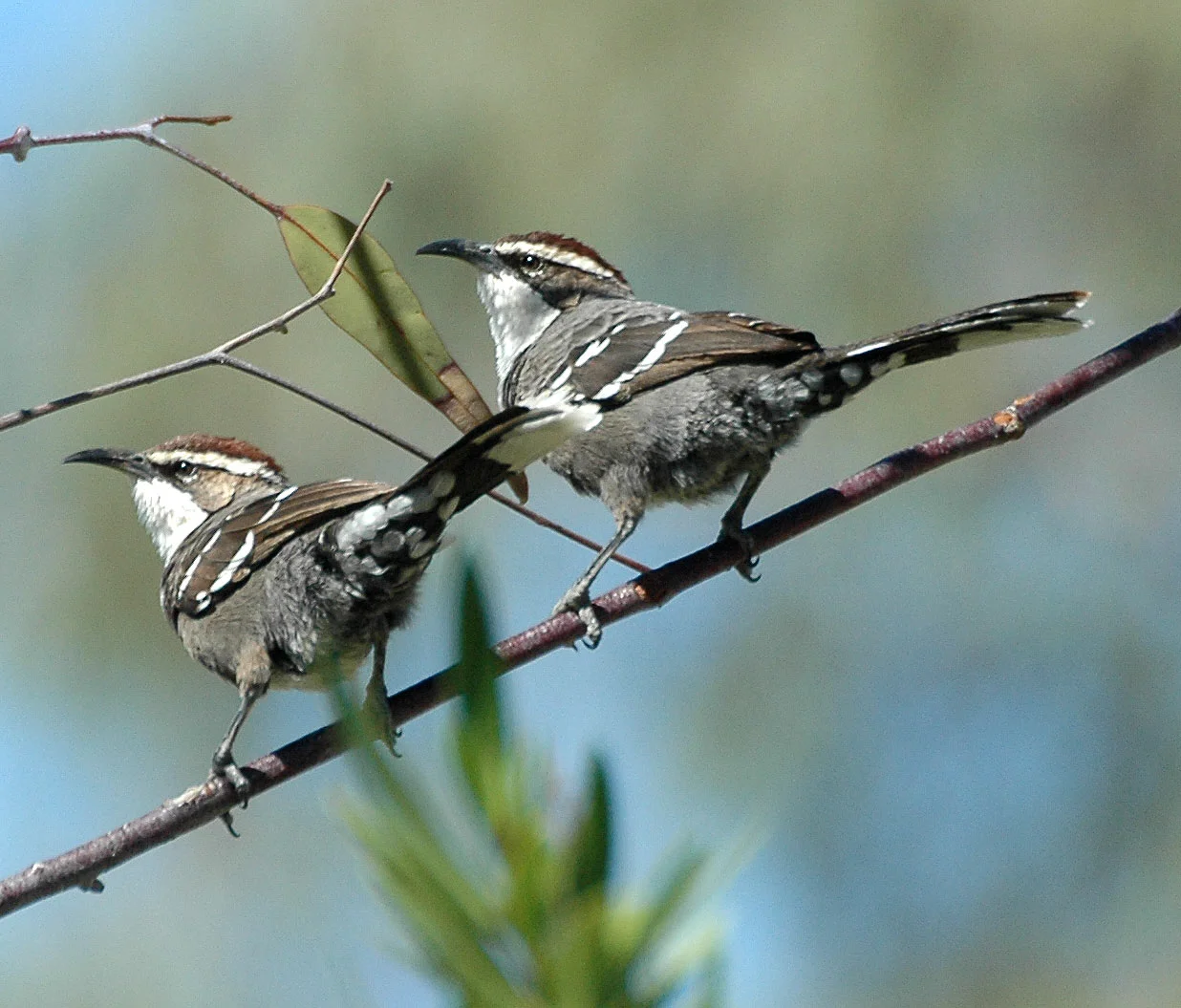
News - The babbling babbler!
A recent scientific paper published in PLoS Biol by provided some rather amazing results... Humans are not the only species that can talk!
Image of Babblers taken from wikipedia many thanks Avcida.