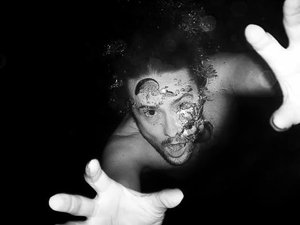
So you’ve got a camera, now what?
A short, honest guide for starting (or starting again) photography.
You’ve got a camera. Maybe it’s brand new. Maybe it’s been sitting on a shelf for years. Either way, the question is the same: now what?
I started photography in 2010 and was deeply involved from 2012 to 2018 — travelling, shooting regularly, and steadily developing my skills. Then life took over. For the last several years, photography slipped quietly into the background. Now I’m picking it back up, and I find myself in an interesting position. In some ways, I’m still an “experienced” photographer — at least mentally. In others, I feel like a beginner again. A little slower. A little less confident. Very aware that my instincts need sharpening.
So I’m going back to the beginning. Not technically, but creatively. Rebuilding habits. Relearning how to see and reminding myself why I enjoyed photography in the first place.
There’s an old saying in photography: “Your first 10,000 photographs are your worst.” (commonly attributed to Henri Cartier-Bresson). That idea is the key to starting, or restarting. You don’t avoid bad photos. You shoot through them. That’s exactly why I’m doing a 365 photo project this year.
If you’re just starting out, or coming back after a long break, here are five simple, non-technical things that will help you get moving.
5 Simple Things That Will Get Your Photography Started
(No settings. No gear talk. Just habits.)
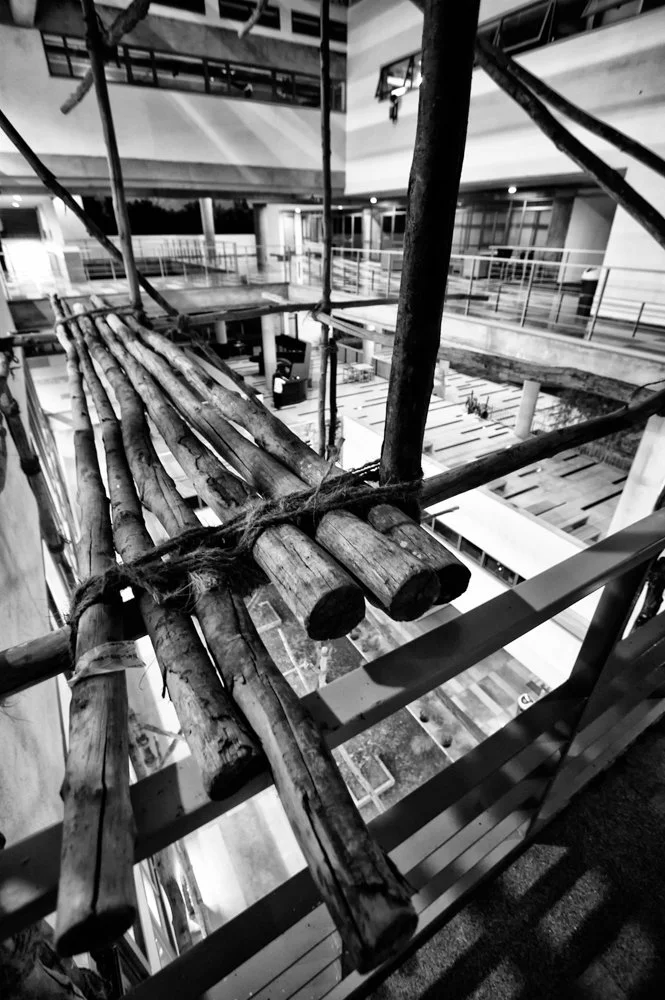
Seeing what is around you and experimenting on capturing the subject is the best way to improve.
1. Always carry a camera
The best photograph is the one you’re actually there to take. Keep a camera nearby — even if it’s just your phone. Try to take something every day. The subject doesn’t matter. The habit does.
If you can make an ordinary moment interesting, imagine what you’ll be able to do when something truly special happens.
2. Don’t lock yourself into one style of photography
Many photographers think they can only improve when shooting their favourite subject — wildlife, landscapes, travel, portraits. That’s rarely true.
Every genre teaches transferable skills:
Portraits teach light
Street photography teaches timing
Landscapes teach composition
Everyday scenes teach observation
Exploring different styles doesn’t dilute your photography, it strengthens it.
3. Avoid the “gear zone”
The gear zone is where you scroll endlessly, research new equipment, and somehow never go out to shoot.
Gear doesn’t create photographs, ideas do.
A simple challenge: use one camera or one lens for a week. Learn its limits. Learn your own. Constraints are one of the fastest ways to grow creatively.
4. Study other photographers’ work
Inspiration matters. Save images you love. Look at them often. Ask yourself:
What draws my eye?
What’s simple about this image?
What mood does it create?
Don’t be afraid to try recreating photos you admire. That isn’t copying — it’s learning. Your own style will emerge naturally over time.
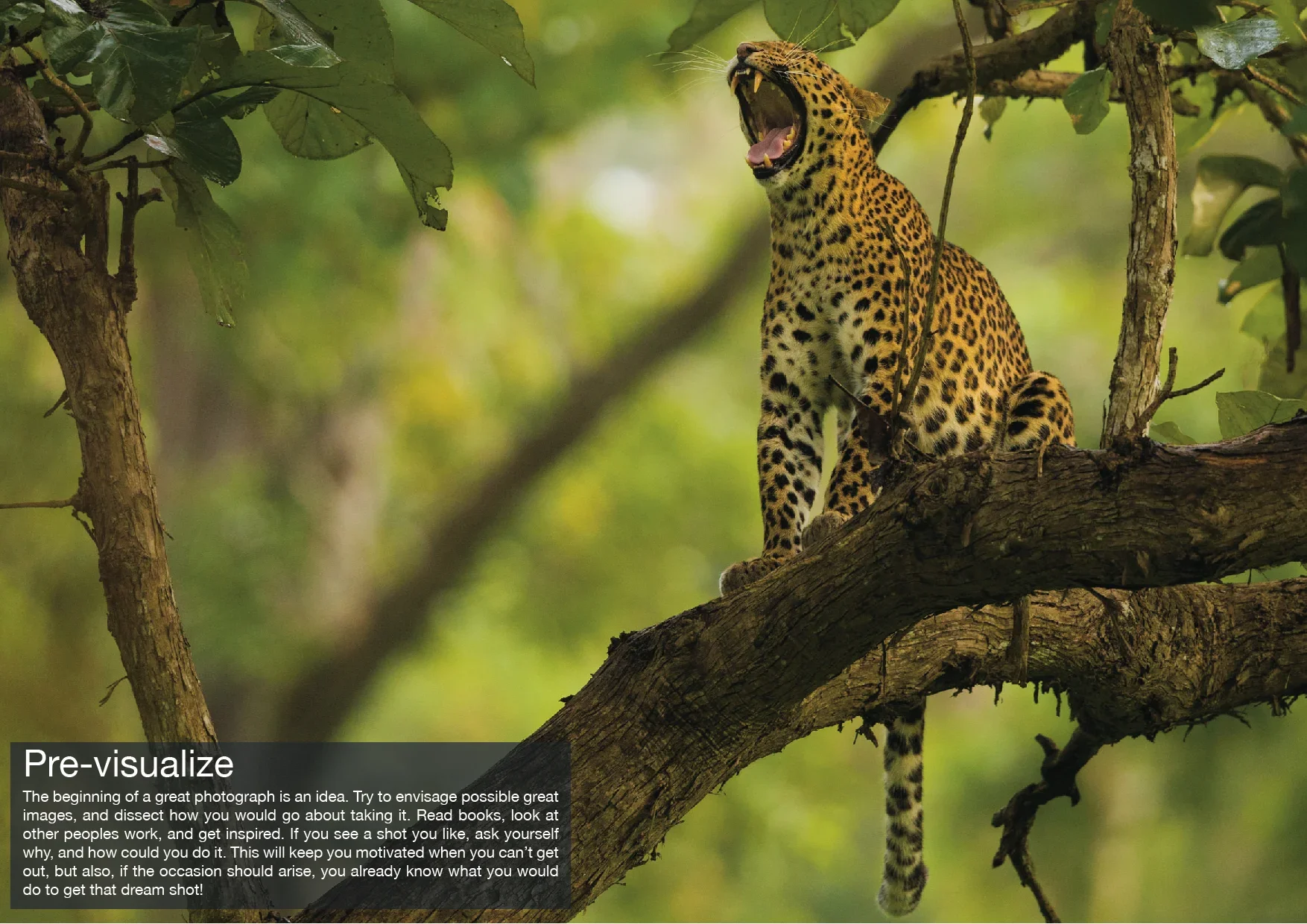
5. Imagine photographs before you take them
Think about photos you’d love to make. Picture the subject, the mood, the background, the light. Break the image into parts and consider how each could be achieved. Even if you never take the photo, the exercise sharpens your creative thinking.
And when the opportunity does appear, you’ll be ready.
I wrote something about his several years ago here.
A Final Thought
Photography isn’t about being good. It’s about showing up. I’m not trying to become a great photographer again overnight. I’m simply carrying a camera, paying attention, and allowing myself to be a beginner, again.
If you’ve got a camera and you’re wondering what to do next, start here. :)